Pom Pom Hat with Stripe Color Pattern
First Impressions: Playful, Clean, and Ready for Stitching
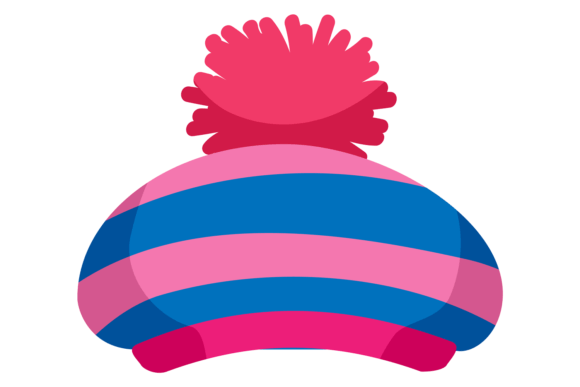
When I opened Pom Pom Hat with Stripe Color Pattern, my first thought wasn’t “cute”—it was “usable.” The cartoon-style pom pom hat sits confidently on a white background, striped in cheerful, balanced bands that read clearly even at thumbnail size. There’s no visual clutter—no tiny gradients, no overlapping shadows, no micro-details that would vanish under thread. That simplicity is golden for embroidery designers. It signals strong silhouette integrity, intentional negative space, and a layout built for stitch translation—not just screen display. This isn’t a graphic meant only for digital mockups; it feels like it *wants* to be stitched.
A Real Project Test: Embroidering a Baby Knit Cap
Last week, I prepped Pom Pom Hat with Stripe Color Pattern for a custom order: a hand-knit organic cotton baby cap, sized for 3–6 months. The client wanted something joyful but not overwhelming—soft, gender-neutral, and machine-embroiderable without puckering or distortion. I chose a medium-density satin stitch for the outer hat shape, fill stitch for the stripes (keeping density moderate), and a clean running stitch outline for crisp definition. On stable knit fabric with lightweight tear-away stabilizer, the design held its shape beautifully—even around the gentle curve of the cap’s crown. Customers responded instantly: “It looks handmade, not printed,” one wrote. That’s the quiet win: this design carries the warmth of craft without demanding artisan-level digitizing skill.
Where It Shines—and Where to Pause
Pom Pom Hat with Stripe Color Pattern excels in projects where charm meets clarity: embroidered patches for kids’ backpacks, sweatshirt chest logos for boutique apparel lines, tea towel accents for small shop merchandise, and nursery decor pillows. Its bold outline and generous stripe spacing make it forgiving on textured fabrics like terry cloth, fleece, or linen blends—no detail gets lost in the weave. As a machine embroidery design, it translates cleanly to tote bags, aprons, and holiday gift items like embroidered onesies or stocking stuffers.
That said, use caution on highly stretchy knits (think lightweight jersey) without proper cut-away stabilizer—those stripes can distort if the base fabric shifts mid-stitch. Avoid cramming it into hoops smaller than 4” x 4”: the pom pom’s volume needs breathing room, and tight hooping risks misalignment on curved surfaces like baseball caps. Also, skip ultra-thin fabrics (like voile or chiffon) unless you’re layering stabilizer aggressively—the fill areas may show through or pull.
Commercial Use Considerations for Craft Businesses
If you’re an Etsy seller or small shop owner building a cohesive line—say, a spring collection of embroidered baby hats, matching bibs, and muslin swaddles—Pom Pom Hat with Stripe Color Pattern works as a unifying motif. Its consistent proportions and friendly tone support brand recognition without locking you into a single color story. You can easily adapt thread colors to match your palette: navy and cream for minimalist appeal, coral and mint for playful energy, charcoal and oat for modern nursery sets.
But remember: as a digital embroidery file, its commercial viability hinges on licensing. Since the product description lists EPS, JPG, SVG, and transparent PNG formats—not native embroidery formats like .PES or .DST—you’ll need to digitize or convert it properly before stitching. Confirm whether your license permits resale of finished embroidered products or digital assets. Many crafters overlook this until a platform flags a listing—don’t let that happen to you.
Design Integrity in Action
What makes Pom Pom Hat with Stripe Color Pattern feel professional isn’t just its look—it’s how it behaves. The stripe widths are uniform enough to avoid “banding” in fill stitch, yet varied enough to prevent robotic repetition. Corners are rounded, not angular—critical for smooth satin stitch flow. There’s no tiny lettering or fussy interior detail that would require excessive trimming or risk fraying after washing. That means less post-stitch cleanup, better durability for baby embroidery or kitchen towel designs, and higher perceived value in your finished product.
I’ve seen too many craft businesses undercut their own credibility with pixelated icons or over-complex graphics that blur when stitched. This design avoids that trap. It reads at a glance, holds up across fabric types, and reinforces trust—customers believe they’re getting thoughtful, handmade quality, not a rushed digital import.
Practical Designer Notes Before You Stitch
- Always test Pom Pom Hat with Stripe Color Pattern on scrap fabric matching your final project’s weight and stretch.
- Check thread color contrast—especially on dark fabric. A light stripe against black cotton can disappear without careful thread selection.
- Review stitch density in your embroidery software. If it’s dense, reduce fill coverage slightly for breathable fabrics like baby knits.
- Confirm hoop size compatibility. This design scales well—but never assume. Measure the widest point before hooping.
- Inspect small details in your digitized version: does the pom pom retain fluffiness? Are stripe edges sharp, not jagged?
- Test a black-and-white mockup. If it loses personality in monochrome, reconsider for grayscale branding or ink-based previews.
- Use appropriate stabilizer—tear-away for stable wovens, cut-away for knits, and fusible for lightweight layers.
- Verify licensing terms before listing embroidered items on Etsy or using the graphic in printable mockups for social media.
Final Thought: A Reliable Ally in Your Design Toolkit
Pom Pom Hat with Stripe Color Pattern won’t wow with avant-garde complexity—but it doesn’t need to. In the world of Crafts and Graphics for real makers, reliability is rare currency. It delivers consistent results across sweatshirt embroidery, personalized gifts, boutique branding, and holiday embroidery—without demanding endless tweaks. For embroidery designers, Etsy sellers, and small shop owners who value clarity, charm, and commercial readiness, this isn’t just another cartoon icon. It’s a quietly confident design asset—one that stitches true, sells well, and feels authentically handmade.